




Orthopaedics
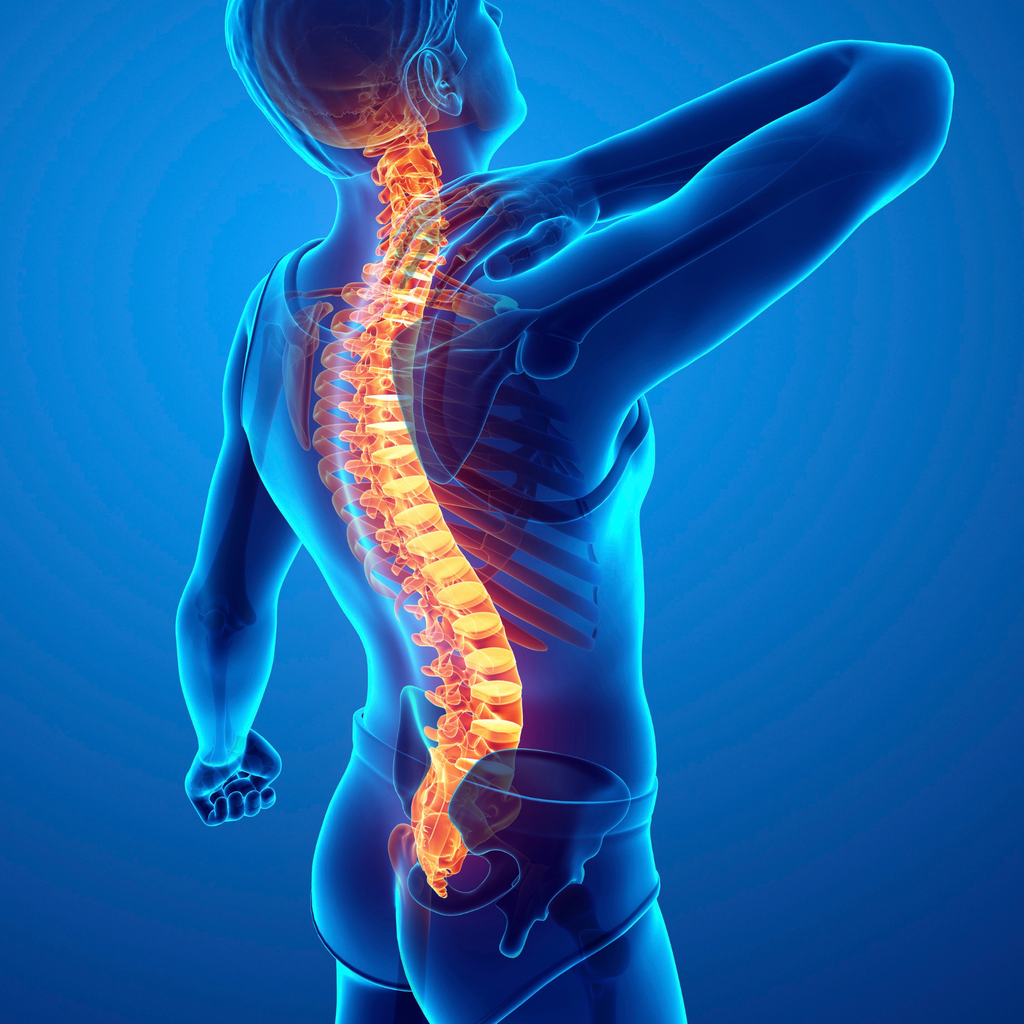
Orthopaedics at Plexis Super Speciality Hospital, Sohna
Expert Evaluation, Comprehensive Treatment & Rehabilitation for Bone and Joint Problems
Your bones, joints, muscles and ligaments form the foundation of movement. When an injury, arthritis, fracture or other musculoskeletal condition affects them, even simple activities such as walking, climbing stairs, sitting, standing or working can become difficult.
Orthopaedics is the medical specialty concerned with conditions affecting the musculoskeletal system, including bones, joints, muscles, ligaments, tendons and related structures.
At Plexis Super Speciality Hospital, Sohna, our Orthopaedics service provides evaluation, diagnosis, treatment and rehabilitation support for a broad range of bone and joint conditions—from everyday joint pain and sports injuries to fractures and conditions that may require surgery.
Our goal is simple: help you understand your condition, choose an appropriate treatment pathway and work towards safer, better movement.
What Does Orthopaedic Care Include?
Orthopaedic care can involve both non-surgical and surgical treatment, depending on the underlying condition, its severity and the patient’s overall health.
Treatment may include:
- Medical evaluation
- Clinical examination
- X-ray and other diagnostic investigations when required
- Medication and pain management
- Physiotherapy and rehabilitation
- Activity and lifestyle guidance
- Immobilisation or supportive devices when appropriate
- Fracture management
- Surgical treatment when indicated
- Post-operative rehabilitation
- Follow-up and recovery monitoring
Not every orthopaedic problem requires surgery. For example, osteoarthritis is often initially managed with measures such as exercise, weight management where appropriate, pain-relieving treatment and physiotherapy; surgery may be considered in selected patients when symptoms remain significant despite other treatment.
Orthopaedic Conditions We Can Help Evaluate
🦴 Joint Pain & Stiffness
Pain or stiffness in the knee, hip, shoulder, ankle, elbow or other joints can interfere with everyday activities.
ather than continuously self-treated, because similar symptoms can have different causes.

Common symptoms may include:
- Pain while walking or moving
- Morning or post-activity stiffness
- Joint swelling
- Reduced range of motion
- Difficulty climbing stairs
- Difficulty standing or sitting
- Joint tenderness
- Reduced physical activity
Persistent joint pain should be assessed rather than continuously self-treated, because similar symptoms can have different causes.

🦵 Knee Problems
The knee is one of the body’s major weight-bearing joints and can be affected by injury, arthritis, age-related changes and other conditions.
Orthopaedic evaluation may be appropriate for:
- Knee osteoarthritis
- Persistent knee pain
- Knee stiffness
- Sports-related knee injuries
- Ligament injuries
- Meniscus-related problems
- Knee swelling
- Difficulty walking
- Post-injury weakness or instability
For advanced knee arthritis that significantly affects daily life and has not responded adequately to other treatments, knee replacement may be considered in appropriate patients.
Orthopaedics & Physiotherapy: Working Together
Orthopaedic treatment and rehabilitation often go hand in hand.
Physiotherapy can help improve movement, strength and function after injury, illness or surgery. It may also be used for arthritis, back and neck problems, sports injuries and other musculoskeletal conditions.
At Plexis, our Physiotherapy service can support patients during rehabilitation according to their individual condition and treatment plan.
This may include:
- Range-of-motion exercises
- Strengthening
- Mobility training
- Balance exercises
- Gait training
- Functional rehabilitation
- Post-operative rehabilitation
- Home exercise guidance
Why Choose Orthopaedic Care at Plexis Super Speciality Hospital?
🏥 Multispeciality Hospital Environment
Orthopaedic patients may require more than an isolated consultation. Plexis provides orthopaedic care within a broader hospital environment with medical, surgical, diagnostic, emergency and rehabilitation services.
🔎 Diagnostic Support
The hospital provides X-Ray and Ultrasound facilities, supporting clinical assessment when these investigations are indicated.
🦴 Comprehensive Orthopaedic Care
From joint pain and arthritis to fractures, injuries and surgical conditions, patients can be evaluated according to their individual needs.
💪 Rehabilitation Support
Physiotherapy can form an important part of recovery after injury, surgery or periods of reduced mobility.
🚑 24×7 Emergency Services
Accidents and acute injuries can happen unexpectedly. Plexis provides 24×7 emergency services for patients requiring urgent medical assessment.
🤝 Coordinated Care
Where appropriate, orthopaedic treatment can be coordinated with other medical and hospital services according to the patient’s needs.
When Should You See an Orthopaedic Specialist?
Consider an orthopaedic consultation if you have:
- Persistent joint pain
- Recurrent swelling
- Difficulty walking
- Limited joint movement
- Persistent back or neck problems
- Joint stiffness affecting daily activities
- Pain following an injury
- Suspected fracture
- Repeated sports injuries
- Joint instability
- Difficulty climbing stairs
- Persistent pain despite initial treatment
- Reduced mobility after surgery or injury
If joint pain is affecting sleep or normal activities, repeatedly worsening or not improving, medical assessment is appropriate.
Emergency Orthopaedic Situations
Some injuries require immediate medical attention.
Visit an emergency department promptly after an injury if you experience:
- Severe pain after a fall or accident
- Visible deformity
- Inability to walk or bear weight
- Loss of sensation or significant numbness
- Severe swelling
- Suspected fracture
- An open injury
- A joint that appears to have moved out of position
These symptoms can indicate a significant injury requiring urgent assessment
FAQs
What conditions does an orthopaedic doctor treat?
Orthopaedic specialists evaluate conditions involving bones, joints, muscles, ligaments, tendons and related structures. These can include fractures, arthritis, joint pain, sports injuries, degenerative conditions and conditions requiring surgical treatment.
Does every joint pain problem require surgery?
No. Treatment depends on the cause and severity of the problem. Many conditions can initially be managed with measures such as exercise, physiotherapy, medication and activity modification. Surgery may be considered for selected conditions when conservative treatment is insufficient.
When is knee replacement considered?
Knee replacement may be considered when significant knee pain and movement problems—commonly from osteoarthritis—substantially affect daily life and other treatments have not provided adequate relief.
How long does it take to recover after joint replacement?
Recovery varies depending on the operation and the individual’s health. Full recovery after knee or hip replacement can take several months or longer. Rehabilitation and following the treating team’s instructions are important parts of recovery.
Is physiotherapy important after orthopaedic surgery?
It can be an important part of recovery. Physiotherapy may help patients regain movement, strength, mobility and functional ability following surgery.
What should I do after a suspected fracture?
Avoid putting unnecessary weight or pressure on the injured area and seek prompt medical assessment. Severe pain, deformity, inability to bear weight or numbness requires urgent evaluation
Take the Next Step Towards Better Mobility
Living with persistent bone or joint pain can gradually affect your mobility, independence and quality of life. An appropriate orthopaedic evaluation can help identify the underlying problem and determine whether you may benefit from conservative treatment, rehabilitation or a surgical approach.
Don’t Let Pain Decide How You Move.
Orthopaedic Care at Plexis Super Speciality Hospital, Sohna
Consultation • Diagnosis • Treatment • Surgery When Indicated • Rehabilitation