




Medical ICU
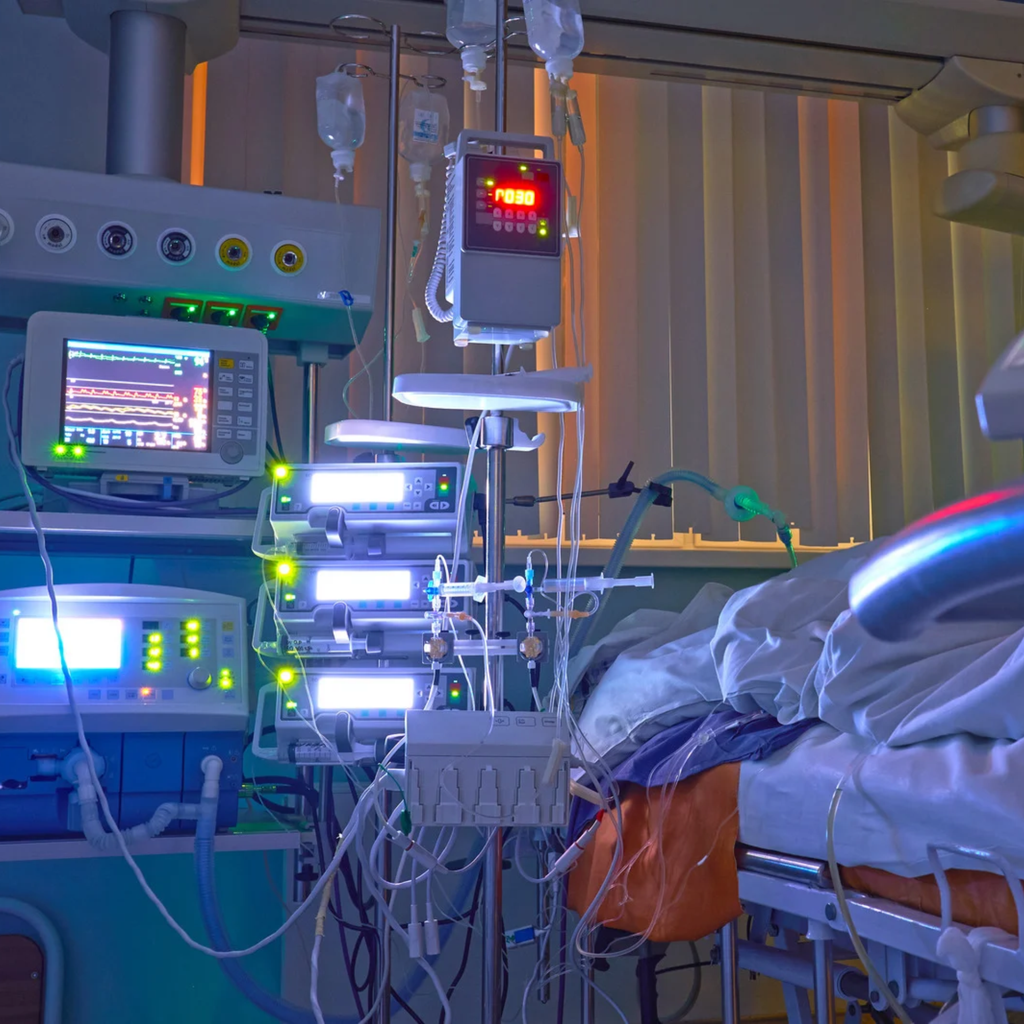
Medical ICU at Plexis Super Speciality Hospital, Sohna
Specialised Critical Care When Every Moment Matters
When a patient becomes seriously ill, timely treatment, continuous monitoring and appropriate medical support can be crucial. A Medical Intensive Care Unit (MICU) is a specialised hospital area designed for patients who require intensive treatment, close observation and support for serious or potentially life-threatening medical conditions.
At Plexis Super Speciality Hospital, Sohna, our Medical ICU provides a dedicated environment for patients who require a higher level of medical attention than can be provided in a regular hospital ward. Our multidisciplinary approach combines medical expertise, trained critical-care staff, continuous monitoring and specialised equipment to support patients during critical stages of illness.
What is a Medical ICU?
A Medical Intensive Care Unit (MICU) is a specialised unit for patients who are seriously ill and require intensive monitoring and treatment.
Patients in an ICU may require close monitoring of vital parameters such as heart rate, blood pressure, oxygen saturation, respiratory status and temperature. Depending on the patient’s condition, specialised equipment may also be used to support breathing, circulation, kidney function and other essential body functions.
The objective of intensive care is to stabilise the patient, treat the underlying illness, support affected organs and continuously reassess the patient’s response to treatment.
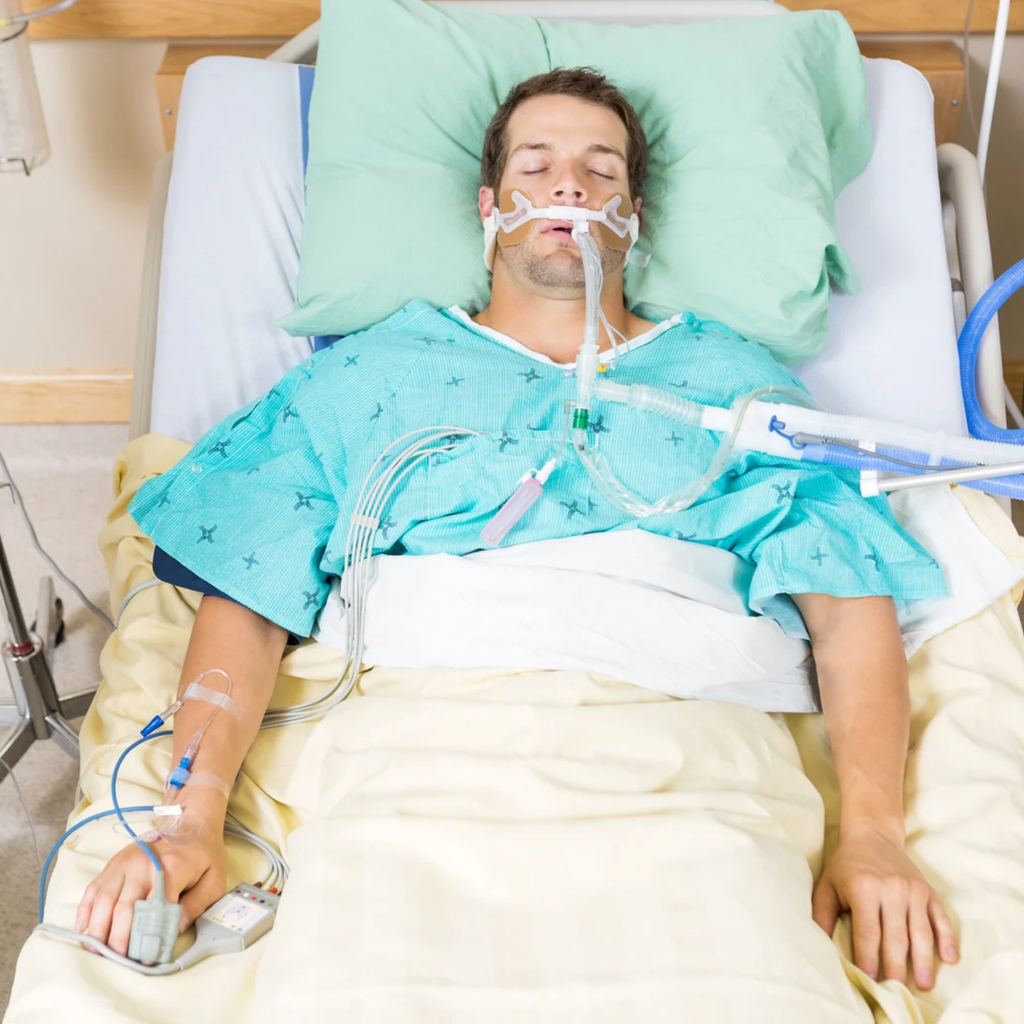
When May a Patient Need MICU Care?
A patient may require intensive care when their condition is severe enough to require continuous monitoring or advanced medical support.
Common situations that may require ICU care include:
- Severe infections and sepsis
- Severe pneumonia or respiratory illness
- Serious complications of diabetes or hypertension
- Acute kidney problems requiring close monitoring or renal support
- Severe electrolyte or metabolic disturbances
- Acute heart-related conditions
- Stroke and other serious neurological conditions
- Respiratory failure or significant breathing difficulties
- Severe complications following surgery
- Patients requiring close monitoring after major procedures
- Multiple-organ dysfunction or failure
- Other medical emergencies requiring intensive monitoring and treatment
The decision to admit a patient to the ICU is made by the treating medical team based on the patient’s clinical condition and level of medical support required.
Critical Care at Plexis Super Speciality Hospital
At Plexis Super Speciality Hospital, our MICU is designed to provide patients with a dedicated environment for intensive medical care.
Continuous Patient Monitoring
Critically ill patients can experience rapid changes in their condition. Continuous or frequent monitoring allows the healthcare team to identify important changes and respond appropriately. ICU monitoring commonly includes heart rate, blood pressure, oxygen saturation and other vital parameters.
Advanced Monitoring & Support
Depending on the patient’s clinical needs, ICU equipment may be used to monitor and support essential body functions. This can include cardiac monitoring, oxygen and respiratory support, intravenous medication delivery and other specialised interventions.
Trained Critical-Care Team
ICU care involves specially trained healthcare professionals who work together to monitor patients and provide treatment according to their individual medical needs.
Multispeciality Hospital Support
Because Plexis is a multispeciality hospital, critically ill patients can receive appropriate support from different medical departments when required.
24×7 Emergency Support
Plexis Super Speciality Hospital provides 24×7 emergency services, allowing patients requiring urgent medical assessment to access hospital care at any time.
What Facilities May Be Used in the MICU?
Depending on a patient’s condition, critical-care treatment may involve:
- Continuous vital-sign monitoring
- ECG/cardiac monitoring
- Oxygen therapy
- Respiratory support
- Ventilator support when clinically required
- Intravenous fluids and medications
- Infusion pumps
- Blood and laboratory investigations
- Emergency medications and interventions
- Fluid-balance and urine-output monitoring
- Renal support/dialysis when medically indicated
- Specialist consultations
- Post-operative critical monitoring
Not every patient requires all of these facilities. Treatment is determined according to the patient’s condition and medical requirements. ICU equipment is used to monitor patients and support body functions while they recover.
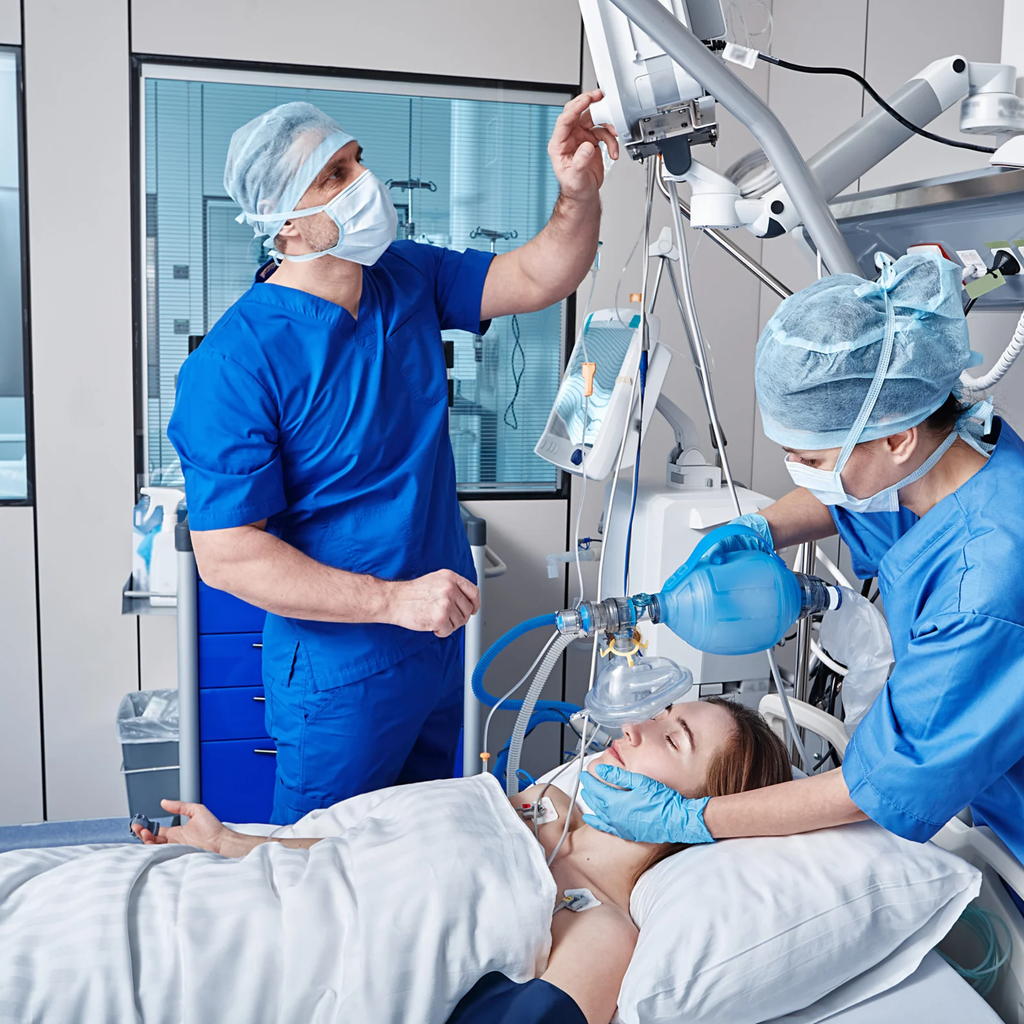
Conditions Managed in Medical ICU
Our MICU may provide critical-care support for patients with serious medical conditions such as:
Respiratory Conditions
- Severe pneumonia
- Respiratory failure
- Severe breathing difficulties
- Other acute respiratory conditions requiring intensive monitoring
Infectious Diseases
- Severe infections
- Sepsis
- Complications associated with serious infections
Cardiac & Circulatory Conditions
- Serious cardiac conditions
- Blood-pressure instability
- Circulatory problems requiring intensive monitoring
Neurological Conditions
- Stroke
- Altered consciousness
- Serious neurological emergencies
Kidney & Metabolic Conditions
- Acute kidney injury
- Severe electrolyte abnormalities
- Metabolic emergencies
- Patients requiring dialysis or renal support
Post-Operative & Other Critical Conditions
- Complications following major surgery
- Patients requiring intensive observation after procedures
- Multiple-organ dysfunction
- Other conditions requiring advanced medical monitoring
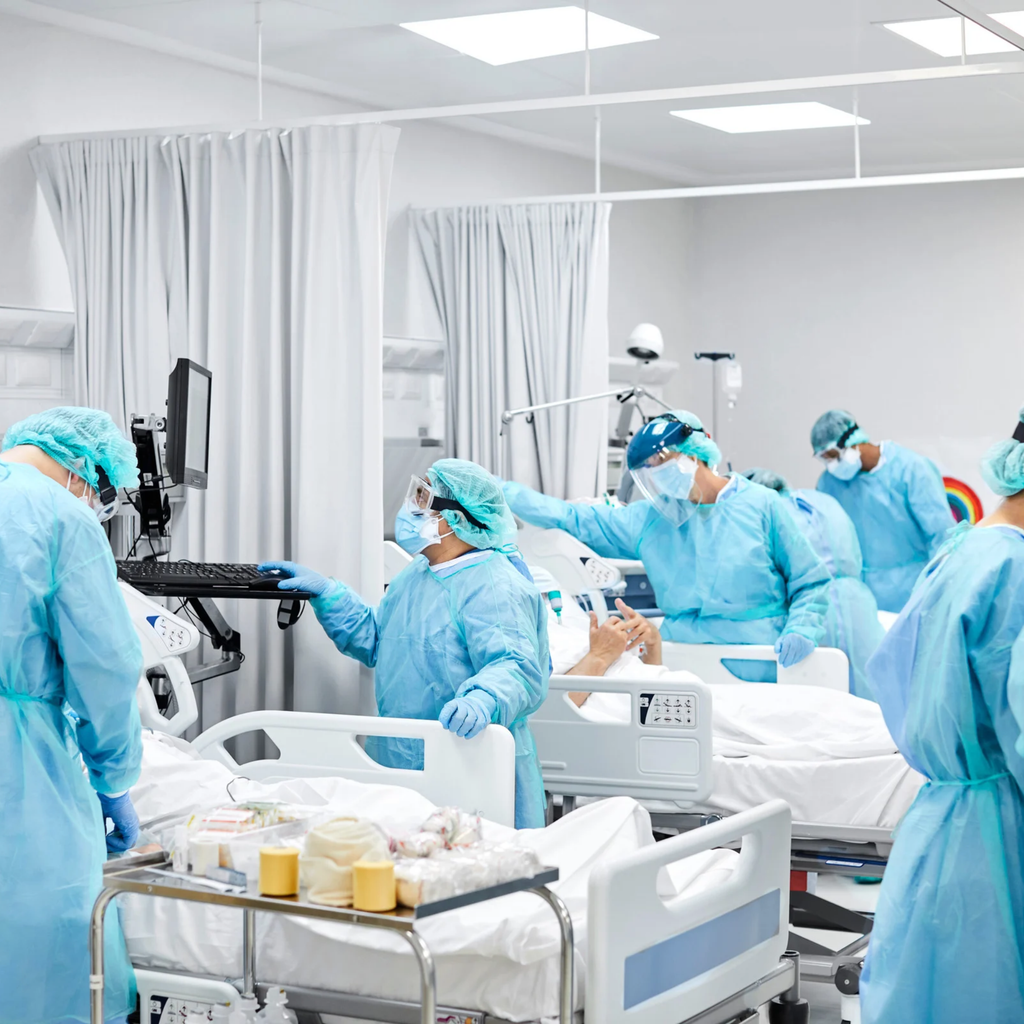
How Does MICU Treatment Work?
MICU treatment is not a single procedure. It is a continuous process of assessment, treatment, monitoring and adjustment.
1. Initial Assessment
The medical team assesses the patient’s symptoms, vital signs, medical history, investigations and overall clinical condition.
2. Stabilisation
If necessary, immediate treatment is provided to stabilise breathing, circulation, blood pressure, oxygen levels or other critical parameters.
3. Continuous Monitoring
The patient’s condition is closely monitored using appropriate bedside equipment. Changes in vital signs or clinical status can prompt further evaluation or treatment.
4. Targeted Treatment
The team treats the underlying cause of the patient’s illness—for example, infection, respiratory failure, metabolic disturbance or another acute medical problem.
5. Organ Support
When an organ is temporarily unable to function adequately, appropriate supportive treatment may be provided. This can include respiratory support, circulatory support or renal replacement therapy where clinically indicated.
6. Recovery & Step-Down Care
As the patient’s condition improves and intensive monitoring or organ support is no longer required, the patient may be transferred from the ICU to a regular ward for continued recovery.
Why Choose Plexis for Medical ICU Care?
Dedicated Critical Care Environment
A specialised environment for patients who require intensive medical monitoring and treatment.
24×7 Medical Support
Critical illness can occur at any time. Our hospital provides round-the-clock emergency and hospital support.
Continuous Monitoring
Important physiological parameters can be monitored closely according to the patient’s condition.
Multispeciality Support
Access to different medical and surgical specialities can help coordinate care when patients have complex or multiple medical needs.
Advanced Critical-Care Equipment
Specialised equipment is used to monitor and support patients according to their clinical requirements.
Patient & Family Communication
Critical illness can be stressful for patients and their families. Clear communication regarding the patient’s condition, treatment plan and progress is an important part of compassionate care.
Our Approach to Critical Care
At Plexis, we understand that every critically ill patient has different medical needs.
Our approach focuses on:
Early assessment → Stabilisation → Continuous monitoring → Targeted treatment → Organ support when required → Recovery planning
The goal is to provide appropriate medical intervention while maintaining the patient’s dignity, safety and comfort throughout their hospital stay.
For Families: What to Expect in the MICU
Seeing a loved one in the ICU can be overwhelming. Patients may be connected to monitoring devices, IV lines, oxygen equipment or other medical devices. These are commonly used to monitor health and provide necessary treatment or support.
Patients may also appear sleepy, confused or less responsive, depending on their illness, medications and treatment.
Our healthcare team can explain the equipment being used, the patient’s current condition and the treatment plan to the family.
If you are visiting an ICU patient, please follow the hospital’s visiting and infection-control instructions.

FAQs
What is the difference between a Medical ICU and a general ward?
A Medical ICU is intended for patients who require a higher level of monitoring and intensive treatment than can generally be provided in a regular ward. ICU patients may require continuous monitoring and specialised equipment or organ support.
Does every critically ill patient need a ventilator?
No. A ventilator is used when a patient needs mechanical assistance with breathing. Many ICU patients do not require mechanical ventilation.
How long does a patient stay in the MICU?
There is no fixed duration. The length of stay depends on the patient’s illness, response to treatment and need for intensive monitoring or organ support.
Can a patient receive dialysis in the ICU?
Patients with severe kidney dysfunction may require renal replacement therapy, including dialysis, depending on their clinical condition. ICU settings can support patients who require renal support when medically indicated.
Can family members visit an ICU patient?
Visiting policies vary according to the hospital’s safety, infection-control and patient-care requirements. Please check with the Plexis hospital team before visiting.
When is a patient transferred out of the ICU?
When the patient’s condition stabilises and they no longer require the level of intensive monitoring or support provided by the ICU, the medical team may consider transfer to another ward for continued recovery.