



Pediatric
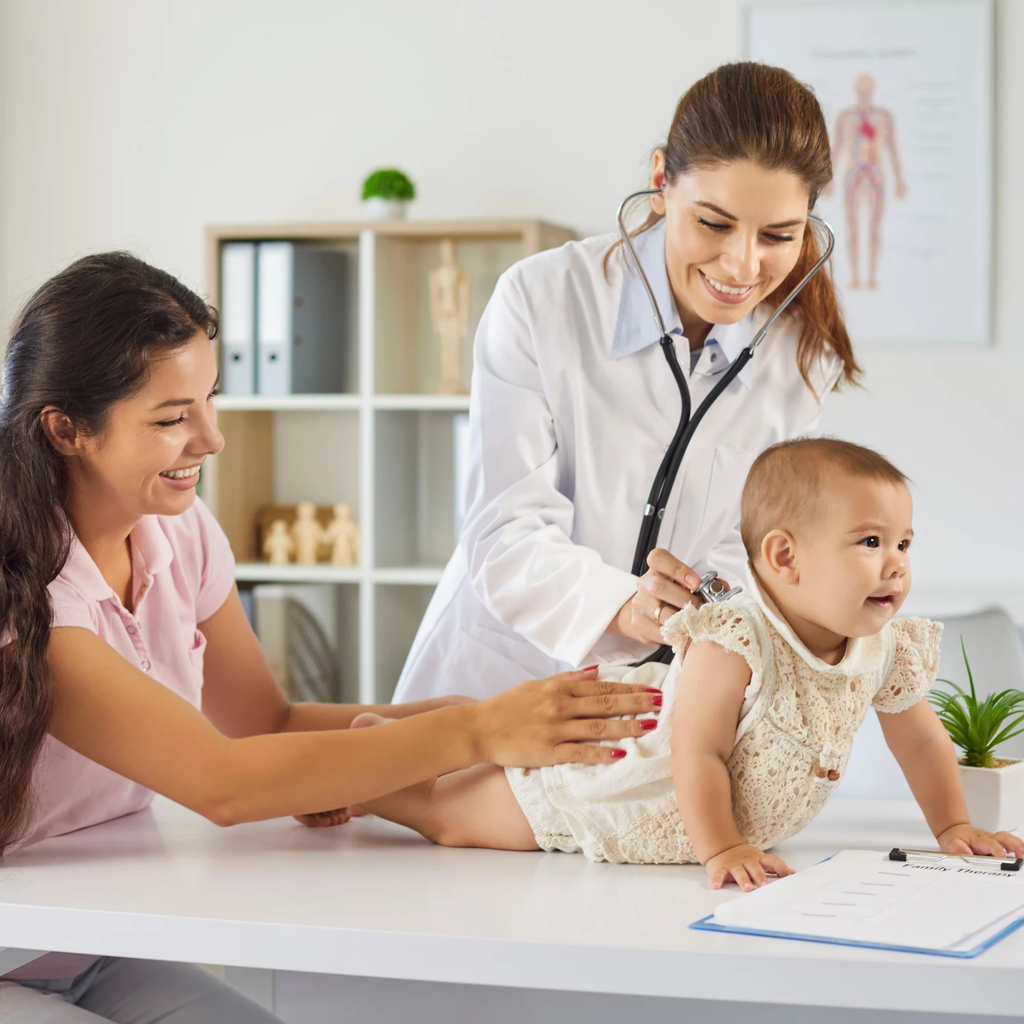
Paediatrics at Plexis Super Speciality Hospital, Sohna
Caring for Children Through Every Stage of Growth
Paediatrics focuses on the health, development and medical needs of infants, children and adolescents. Children are not simply “small adults”—their symptoms, nutritional needs, development and response to illness can differ significantly from adults. Paediatric care therefore combines treatment of illness with growth monitoring, prevention and guidance for parents and caregivers.
At Plexis Super Speciality Hospital, Sohna, the Paediatric department provides medical evaluation and care for common childhood illnesses, ongoing health concerns and conditions requiring hospital-based management. Our approach is centred on safe, age-appropriate and child-friendly care, while keeping parents informed throughout the treatment journey.
What Is Paediatrics?
Paediatrics is the branch of medicine concerned with the health of newborns, infants, children and adolescents.
Paediatric care includes:
- Diagnosis and treatment of childhood illnesses
- Monitoring of growth and development
- Nutritional guidance
- Immunization guidance
- Management of infections
- Evaluation of breathing and respiratory problems
- Management of digestive problems
- Care for childhood allergies and common medical conditions
- Assessment of developmental concerns
- Preventive healthcare and routine check-ups
- Hospital care when a child requires closer monitoring
Regular health visits can help monitor a child’s growth, development, nutrition, immunization status and overall wellbeing.
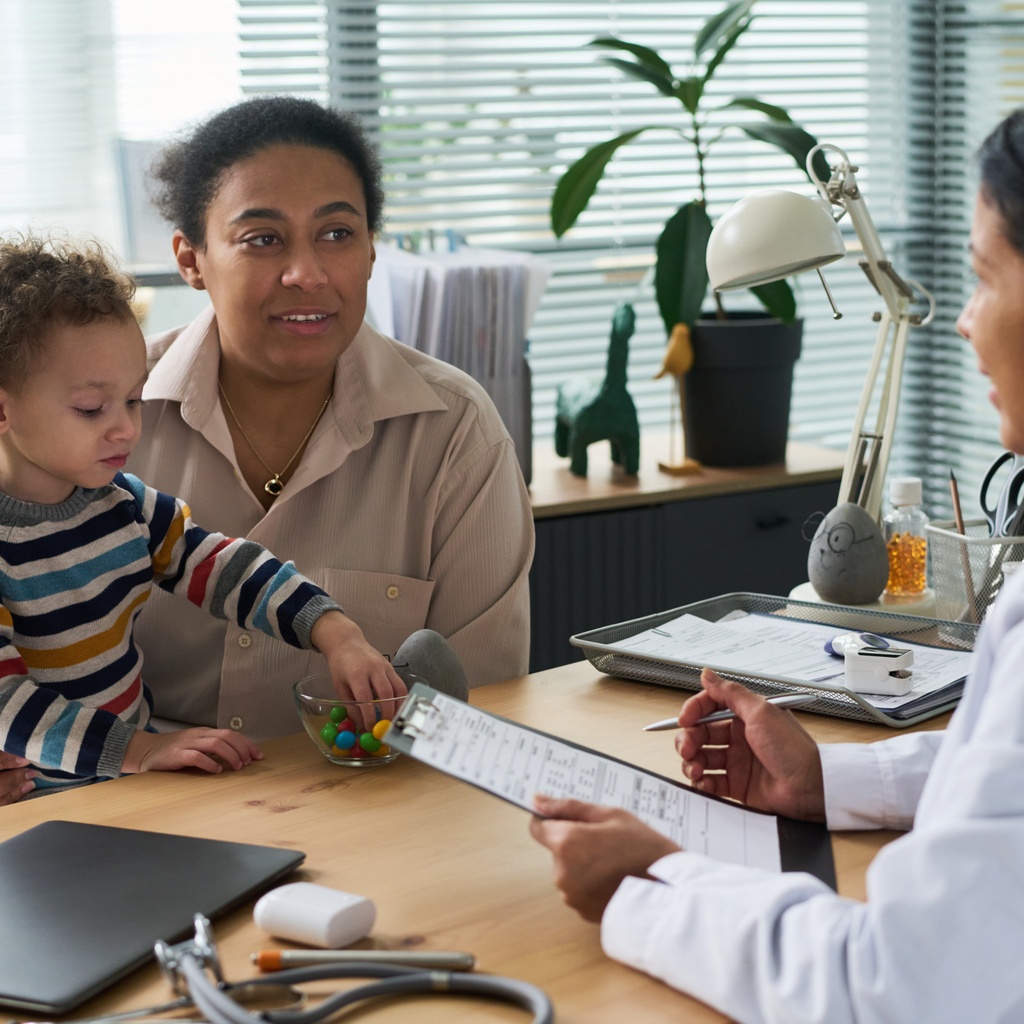
Common Childhood Conditions We Manage
- Fever & Infections
- Cough, Cold & Respiratory Problems
- Diarrhoea & Vomiting
- Nutritional Problems
- Allergies & Skin Problems
- Growth & Development Monitoring
- Newborn & Infant Care
- Preventive Paediatric Care
- Adolescent Health
When Should You Take Your Child to a Doctor?
Parents should consider medical consultation when a child has:
- Persistent or recurrent fever
- Difficulty breathing
- Persistent cough or wheezing
- Repeated vomiting or diarrhoea
- Poor feeding
- Unexplained weight loss or poor weight gain
- Persistent abdominal pain
- Recurrent infections
- Unusual tiredness or weakness
- Skin rashes that persist or worsen
- Developmental concerns
- Changes in behaviour or activity
- Any symptom that concerns the parent
Seek urgent medical care if your child:
- Has significant difficulty breathing
- Is unusually difficult to wake or unresponsive
- Has a seizure
- Develops a severe allergic reaction
- Has signs of severe dehydration
- Has severe or rapidly worsening pain
- Has a serious injury
- Develops a sudden change in consciousness or behaviour
WHO guidance emphasises early recognition and appropriate referral of children who have signs of serious illnes

Why Child-Friendly Care Matters
Children may find hospitals, examinations and medical procedures unfamiliar or frightening. A calm approach and clear communication can help children and parents feel more comfortable.
At Plexis, our approach aims to:
- Listen carefully to parents and caregivers
- Understand the child’s symptoms
- Explain the treatment plan clearly
- Use age-appropriate communication
- Involve parents in care decisions
- Provide appropriate follow-up guidance
The goal is not simply to treat an illness, but to support the child’s health, growth and development.
FAQs
What does a paediatrician treat?
Paediatricians care for children with a wide range of illnesses and health concerns, including infections, respiratory problems, digestive illnesses, nutritional issues, developmental concerns and chronic conditions. Paediatric care also includes preventive health services.
How often should my child have a health check-up?
The appropriate schedule depends on the child’s age, health and individual needs. Regular well-child visits help monitor growth, development, nutrition and preventive care.
When should I worry about my child’s fever?
The importance of fever depends on the child’s age, temperature, duration, associated symptoms and general condition. A child who is very young, unusually sleepy, having difficulty breathing, dehydrated, having seizures or becoming rapidly worse should receive prompt medical attention.
Does every fever require antibiotics?
No. Many childhood infections are viral and do not benefit from antibiotics. The need for antibiotics should be determined by a qualified healthcare professional after evaluating the child.
What should I do if my child has diarrhoea?
Preventing dehydration is important. Give fluids as advised by your healthcare professional and seek medical attention if the child cannot drink, is repeatedly vomiting, has reduced urination, becomes unusually sleepy or has other concerning symptoms.
Does my child need regular growth monitoring?
Yes. Monitoring growth over time can help identify nutritional or health concerns early. WHO includes growth and developmental monitoring among important components of routine child health care.
When should I seek emergency care for my child?
Seek immediate medical attention for severe breathing difficulty, seizures, loss of consciousness, severe dehydration, serious injury, severe allergic reaction or any rapidly worsening condition.
Paediatrics at Plexis Super Speciality Hospital, Sohna
At Plexis Super Speciality Hospital, we provide child-focused medical care covering illness management, preventive healthcare, growth and development monitoring, nutrition and appropriate diagnostic evaluation.
Our Paediatric, NICU, Laboratory, Radiology, Emergency and inpatient services provide an integrated hospital environment for children who need medical assessment or hospital-based care.