



NICU
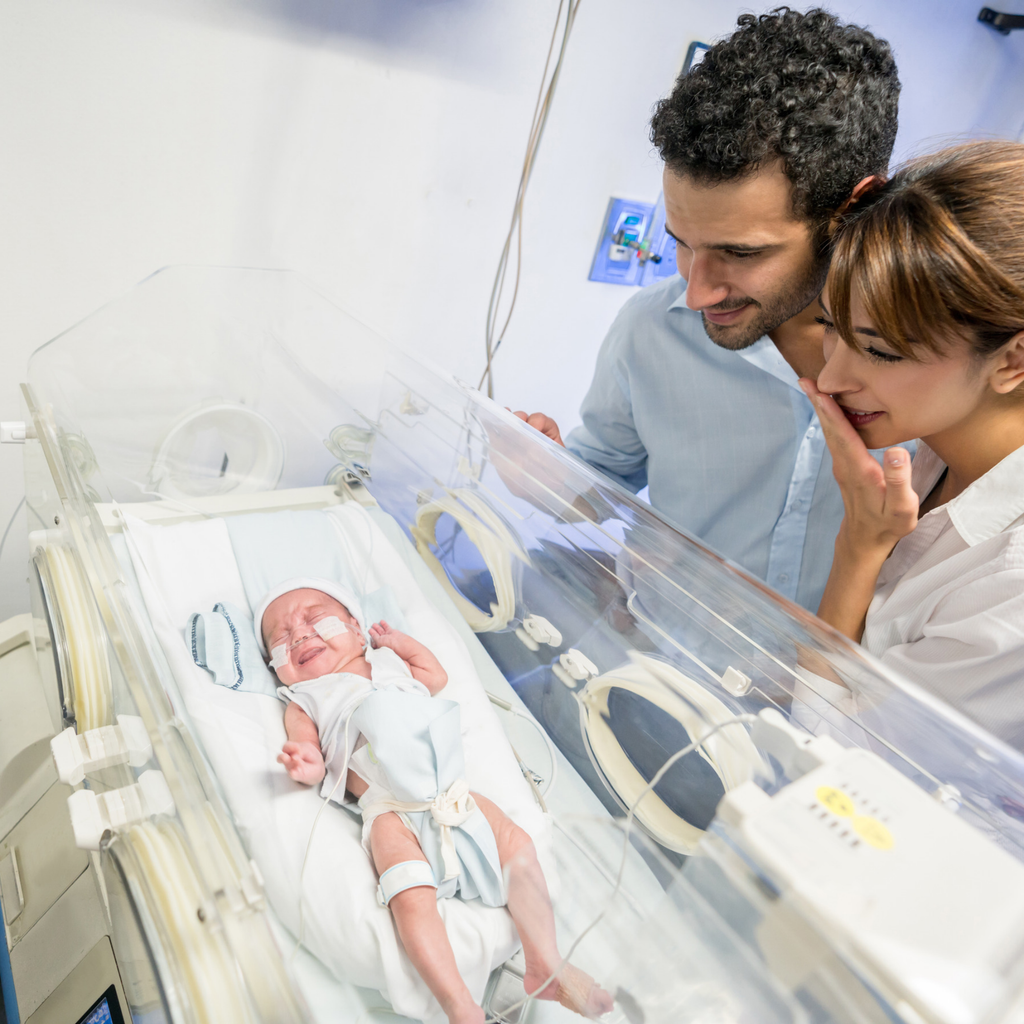
NICU – Neonatal Intensive Care Unit
Specialised Care for Newborns Who Need Extra Support
The first days of a newborn’s life can sometimes require specialised medical attention. Premature birth, low birth weight, breathing difficulties, infections, jaundice, feeding problems or complications around delivery may require a baby to receive care in a Neonatal Intensive Care Unit (NICU).
At Plexis Super Speciality Hospital, Sohna, our NICU is designed to provide focused medical observation and supportive care for newborn babies who need closer monitoring and specialised treatment. Our approach combines careful monitoring, appropriate neonatal support and close coordination with parents and the wider hospital team.
Because every little life deserves specialised care, careful attention and a safe beginning.
What is a NICU?
A Neonatal Intensive Care Unit (NICU) is a specialised hospital unit for newborn babies who require closer observation, medical treatment or support after birth.
Babies may need neonatal care when they are born prematurely, have a low birth weight, experience breathing difficulties, develop an infection or jaundice, have difficulty maintaining body temperature or feeding, or experience complications following a difficult delivery.
Premature babies can require particular attention because their organs may not yet be fully mature. They may need support with breathing, maintaining body temperature, nutrition and feeding while they continue to develop.
When Does a Baby Need NICU Care?
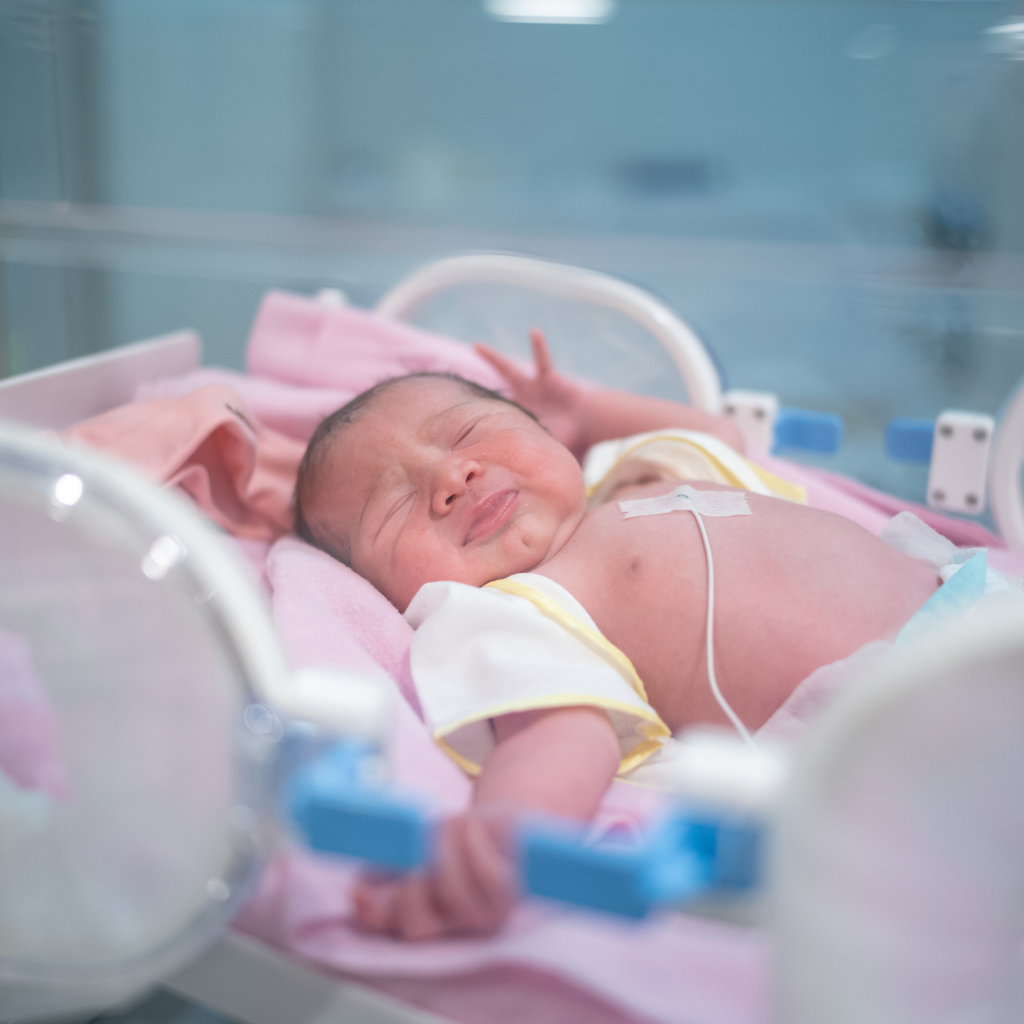
A newborn may require specialised neonatal care for several reasons, including:
Premature Birth
Babies born before 37 completed weeks may require additional monitoring and support because their organs and body systems may still be developing.
Low Birth Weight
Small or low-birth-weight babies may need assistance with maintaining temperature, feeding, blood glucose and overall stability.
Breathing Difficulties
Some newborns experience respiratory distress or other breathing problems and may require oxygen or additional respiratory support. Depending on the baby’s condition, support can range from supplemental oxygen to CPAP or mechanical ventilation.
Newborn Infections
Newborn babies can be particularly vulnerable to infection. Babies suspected of having an infection may require close observation, investigations and appropriate treatment.
Jaundice
Some newborns develop significant jaundice and may require monitoring and treatment such as phototherapy, depending on their bilirubin levels and clinical condition.
Feeding Difficulties
Premature or unwell babies may not initially be able to coordinate sucking, swallowing and breathing effectively. They may therefore require specialised feeding support, including tube feeding or intravenous nutrition when clinically indicated.
Complications After Delivery
Babies who have experienced a difficult delivery or require close observation following birth may be admitted for specialised neonatal monitoring.
Our NICU Care Approach at Plexis Hospital
At Plexis Super Speciality Hospital, neonatal care focuses on close observation, timely medical intervention and supportive care tailored to the baby’s individual condition.
Continuous Clinical Monitoring
Newborns requiring intensive observation may need monitoring of parameters such as:
- Heart rate
- Breathing rate
- Oxygen saturation
- Body temperature
- Blood pressure, where clinically indicated
- Blood glucose
- Fluid balance
- Weight and growth
Continuous cardiorespiratory monitoring is commonly used for premature and critically ill newborns.
Temperature Support
Premature and low-weight babies can have difficulty maintaining their body temperature. Incubators and specialised warmers may be used to help maintain an appropriate thermal environment.
Respiratory Support
When a newborn has difficulty breathing, the medical team may use appropriate respiratory support according to the baby’s condition.
This may include:
- Supplemental oxygen
- Nasal oxygen support
- CPAP
- Other non-invasive respiratory support
- Mechanical ventilation when clinically required
The level of respiratory support depends on the baby’s condition and medical assessment.
Feeding & Nutritional Support
Nutrition is an important part of neonatal care. Depending on the baby’s maturity and medical condition, feeding may be provided through:
- Breastfeeding when the baby is ready
- Expressed breast milk
- Tube feeding
- Intravenous fluids
- Parenteral nutrition in selected cases
Feeding plans are adjusted as the baby becomes medically stable and develops the ability to feed safely.
Infection Monitoring & Management
Because newborns, particularly premature babies, can be vulnerable to infection, careful observation and timely investigation are important components of neonatal care. When infection is suspected, doctors may recommend appropriate tests and treatment based on the baby’s clinical condition.
Jaundice Management
Newborn jaundice is common, but some babies require closer monitoring and treatment. Depending on bilirubin levels and other clinical factors, phototherapy may be recommended.
Conditions That May Require NICU Care
Our NICU service is intended for newborns who require closer medical observation or specialised neonatal support, including babies with:
- Prematurity
- Low birth weight
- Breathing difficulties
- Respiratory distress
- Low oxygen levels
- Suspected or confirmed infection
- Significant jaundice
- Feeding difficulties
- Low blood glucose
- Difficulty maintaining body temperature
- Complications following delivery
- Apnoea or irregular breathing
- Other medical conditions requiring neonatal monitoring
The exact level of care required is determined by the baby’s condition following assessment by the treating medical team.
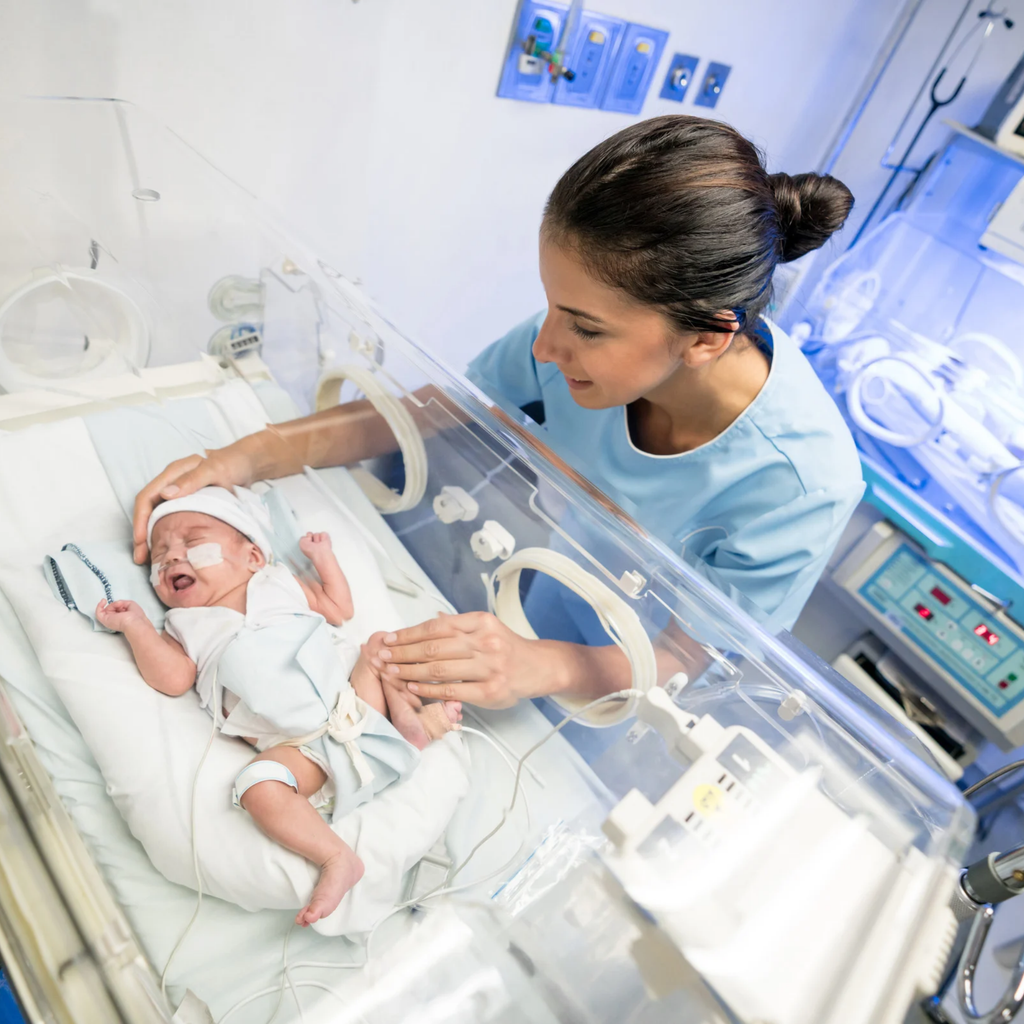
How NICU Care Works
1. Initial Assessment
After birth, the newborn is clinically assessed to identify breathing, circulation, temperature, feeding or other medical concerns.
2. Stabilisation
If the baby requires immediate support, appropriate measures are initiated to stabilise breathing, oxygenation, temperature, blood glucose and other essential parameters.
3. Close Monitoring
The baby’s vital signs and clinical condition are monitored regularly or continuously depending on the level of care required.
4. Individualised Treatment
Doctors and nursing staff provide treatment according to the baby’s specific medical needs. This may include respiratory support, medications, fluids, nutritional support or treatment for jaundice or infection.
5. Growth & Feeding Support
As the baby’s condition improves, attention is given to feeding, weight gain, temperature regulation and gradual development of independent breathing and other essential functions.
6. Preparation for Discharge
Before discharge, the medical team evaluates whether the baby is sufficiently stable and whether parents are prepared for the baby’s care at home.
A Supportive Environment for Parents
Having a newborn admitted to the NICU can be emotionally difficult for parents and family members. Parents may see their baby connected to monitors, tubes or other equipment, which can initially appear frightening.
These devices are often used to monitor vital signs, provide medicines or fluids, support breathing, maintain temperature or provide nutrition.
At Plexis, we believe parents should receive clear information about their baby’s condition and treatment. Wherever medically appropriate, parents can be guided regarding feeding, expressing breast milk, hygiene, touch and other aspects of newborn care.
Breast milk can be particularly valuable for premature babies, and expressed breast milk may be provided through a feeding tube when a baby is not yet ready to breastfeed directly.

Why Choose Plexis Super Speciality Hospital for NICU Care?
👶 Dedicated Neonatal Care
A specialised environment focused on the needs of newborn babies requiring additional medical attention.
🩺 Close Monitoring
Careful observation of vital parameters and the baby’s changing clinical condition.
🫁 Respiratory Support
Appropriate oxygen and respiratory support can be provided according to the baby’s medical requirements and available clinical facilities.
🌡️ Temperature & Supportive Care
Specialised warming environments can help vulnerable newborns maintain an appropriate body temperature.
🍼 Feeding & Nutrition Support
Individualised nutritional support based on gestational age, medical condition and feeding readiness.
💙 Family-Centred Approach
Clear communication with parents and guidance throughout the baby’s hospital stay.
🏥 Multispeciality Hospital Environment
As part of Plexis Super Speciality Hospital, neonatal care can be coordinated with other hospital services when additional medical assessment is required.
🚑 Emergency Support
Plexis Hospital provides 24×7 emergency services, supporting timely assessment when urgent medical attention is required.
For Parents: When Should You Seek Immediate Medical Attention?
After discharge, parents should seek urgent medical evaluation if a newborn develops concerning symptoms such as:
- Difficulty or pauses in breathing
- Bluish or greyish skin or lips
- Severe difficulty feeding
- Unusual sleepiness or difficulty waking
- Seizures
- High or low temperature
- Significant worsening of jaundice
- Repeated vomiting
- Markedly reduced urine output
- Any sudden or significant change in the baby’s condition
Newborns can deteriorate quickly. If you are concerned about your baby’s health, seek medical attention promptly rather than waiting for symptoms to improve.
FAQs
What does NICU stand for?
NICU stands for Neonatal Intensive Care Unit. It is a specialised unit providing medical care and close monitoring for newborn babies who require additional support.
Does every premature baby need NICU admission?
Not necessarily. The level of care required depends on gestational age, birth weight, breathing, feeding, temperature regulation and the baby’s overall clinical condition. Some premature babies require intensive care, while others may require a lower level of neonatal support.
How long does a baby stay in the NICU?
There is no fixed duration. The length of stay depends on the baby’s condition, maturity, breathing and feeding abilities, growth and ability to maintain temperature without additional support.
Can parents visit their baby in the NICU?
Visiting policies vary according to the hospital’s infection-control and neonatal-care protocols. Parents should follow the instructions provided by the NICU team.
Can a premature baby receive breast milk?
Yes. Breast milk is often encouraged for premature babies when medically appropriate. If the baby cannot breastfeed directly, expressed breast milk may sometimes be given through a feeding tube.
Does being admitted to NICU mean the baby is critically ill?
Not always. Babies may require neonatal care for different reasons and at different levels of intensity, including monitoring, feeding support, temperature support, jaundice treatment or respiratory support.
Will my baby need a ventilator?
Not every baby admitted to a NICU requires mechanical ventilation. Some babies may need no respiratory support, while others may require oxygen, CPAP or ventilation depending on their condition.
NICU at Plexis Super Speciality Hospital, Sohna
When your newborn needs additional medical attention, timely assessment and appropriate neonatal care can make an important difference.
Plexis Super Speciality Hospital provides a hospital environment with neonatal care, paediatric services, emergency support, laboratory and radiology services, allowing the baby’s care to be coordinated within a multispeciality hospital setting.
** Medical care for newborns is individualised. The information above is for general awareness and does not replace examination or advice from a qualified healthcare professional.